
Roasting vegetables is simple, and a great way to add deep flavor and texture to vegetables. These roasted vegetable recipes are organized by season, and teach you how to roast different vegetables correctly for the best results.
Jump To:
How to Roast Vegetables: The Basics
Roasted vegetables are among the best foods, period. Vegetables are not only highly nutritious, roasting vegetables is one of the simplest, most reliable ways to build flavor and texture. This collection of 16 roasted vegetable recipes, organized by season, shows how to roast different vegetables properly, whether you want something crispy and caramelized or something more comforting, like a casserole.
This guide covers roasting basics, seasonal inspiration, and expert tips for choosing vegetables, temperatures, and techniques that guarantee good browning and great texture.
Choosing the Best Vegetables for Roasting
Almost any vegetable can be roasted—green beans, tomatoes, carrots, cauliflower, squash, potatoes, zucchini, and even radishes. Let the seasons guide you:
- Fall/Winter: root vegetables like carrots, potatoes, squash, Brussels sprouts, cauliflower and other crucifers
- Spring/Summer: tomatoes, zucchini, yellow squash, peppers, radishes, asparagus, eggplant are in season
Pick vegetables that are firm and fresh with vibrant color. Avoid bruised, moldy, mushy, or sprouting produce. Discard potatoes with a green tint.
What Time and Temperature for Easy Roast Vegetables
If you’re not following a specific recipe, a simple formula to roast most vegetables works as follows: toss vegetables with olive oil, salt, and pepper and roast on a sheet pan at 350–425°F for 25–35 minutes. As a general rule, a hotter oven means deeper browning.
Use this rule-of-thumb for easy sheet pan roasted vegetables:
- Dense or low-moisture vegetables (carrots, potatoes): lower temperature (350–400°F) so they cook through before over-browning.
- High-moisture vegetables (tomatoes, zucchini): hotter oven (400–425°F) for quick browning and concentration.
These roasted vegetable recipes are go-tos for both weeknight dinners and holidays alike. As a general rule, the best temperature for roasting vegetables.
Tips and Technique Notes
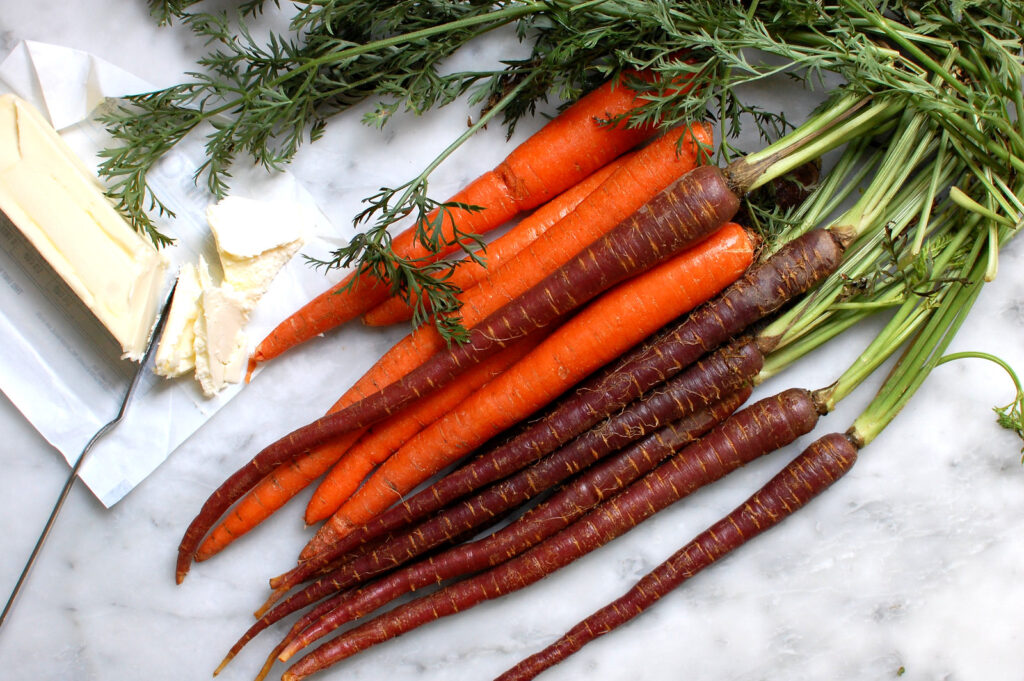
Cleaning vegetables: Always wash and thoroughly dry your vegetables. Moisture means steam, which could inhibit browning (unless that’s what you want). Scrub root vegetables like potatoes to remove dirt.
Choose vegetables that are perky, fresh, and have nice color. Avoid bruised, brown, wrinkled (like bell peppers), moldy, or mushy vegetables. Avoid potatoes that are tinged green.
Roasting is great, but sometimes boiling is best. Cauliflower mashed potatoes and herby French Potato Salad are two favorite recipes. And you’ll also love these classic (but a little bit fancy) mashed potatoes.
Fall and Winter Roasted Vegetable Recipes
These cozy, cold-weather roasted vegetable recipes work for holidays like Thanksgiving and Christmas, but they’re simple enough for weeknights. Think caramelized squash, crispy Brussels sprouts, savory gratins, and colorful roasted salads.

Crispy Roasted Brussels Sprouts with Maple Syrup
Crispy oven-roasted Brussels sprouts tossed with a maple cider vinaigrette. This is the ultimate festive winter vegetable dish.
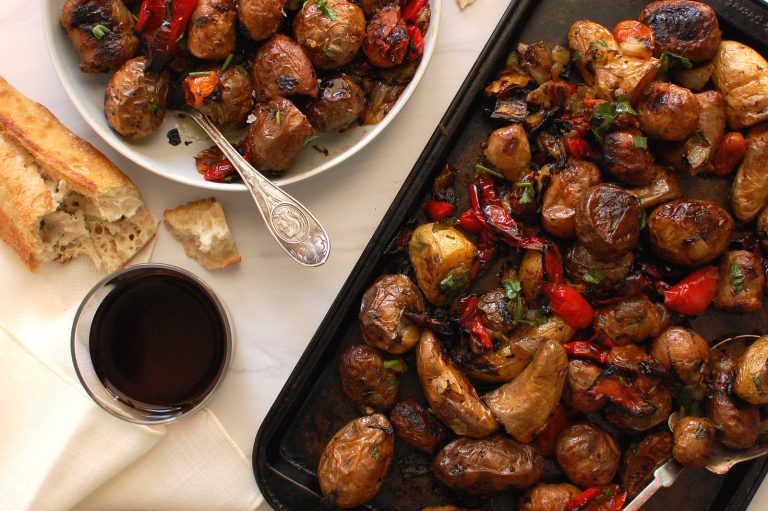
Italian Sausage, Peppers + Onions
A no-fuss sheet pan recipe for Italian sausage, peppers and onion. This favorite recipe is perfect for weeknight dinners or a feeding a crowd.
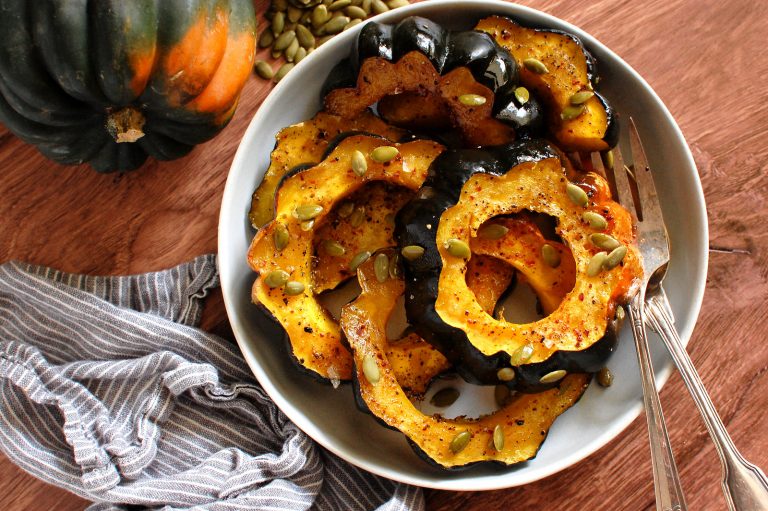
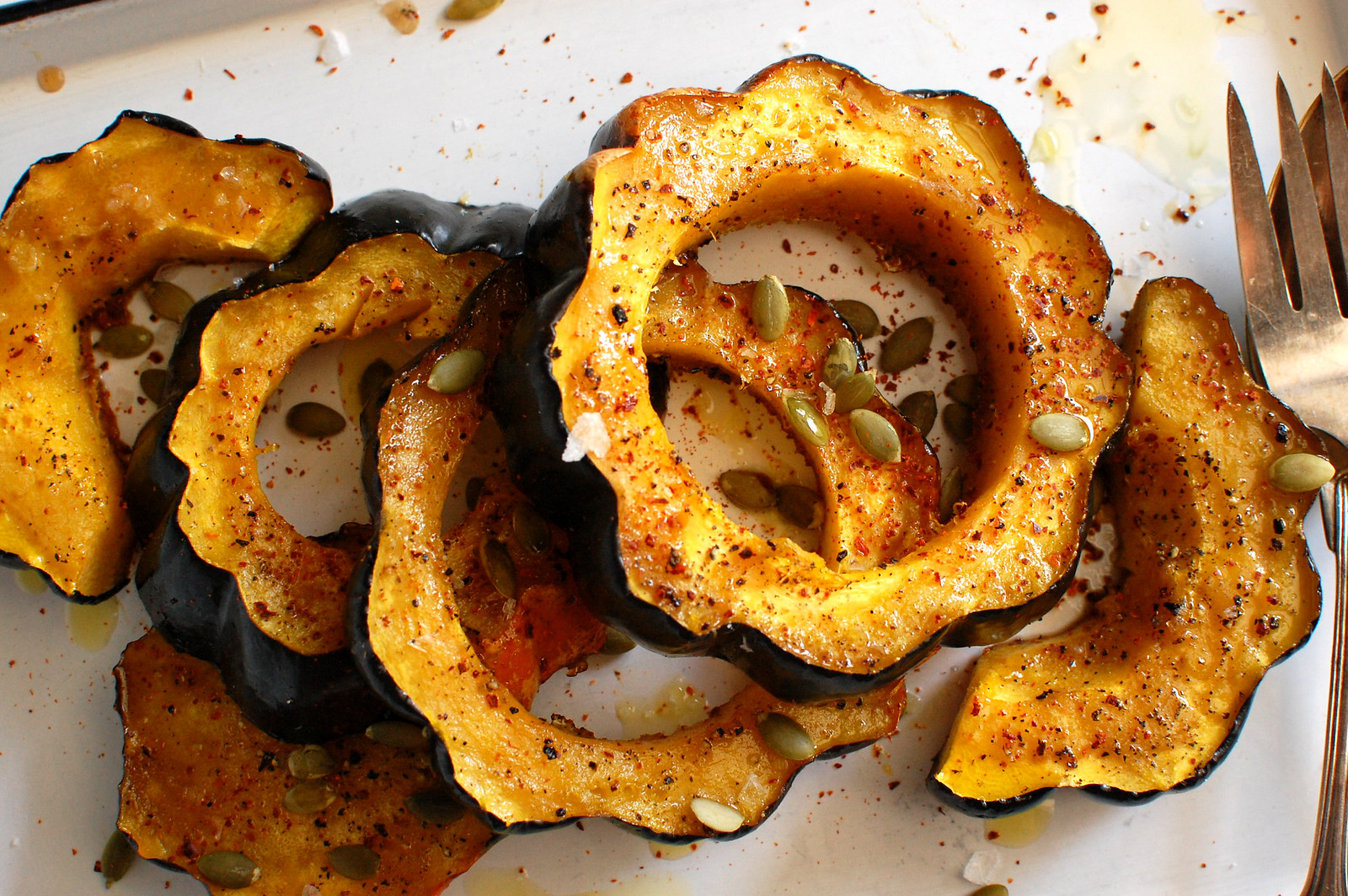
Simple Roasted Acorn Squash
This easy roasted acorn squash recipe makes a beautiful fall and winter side dish. Simply prepared, and simply perfect.
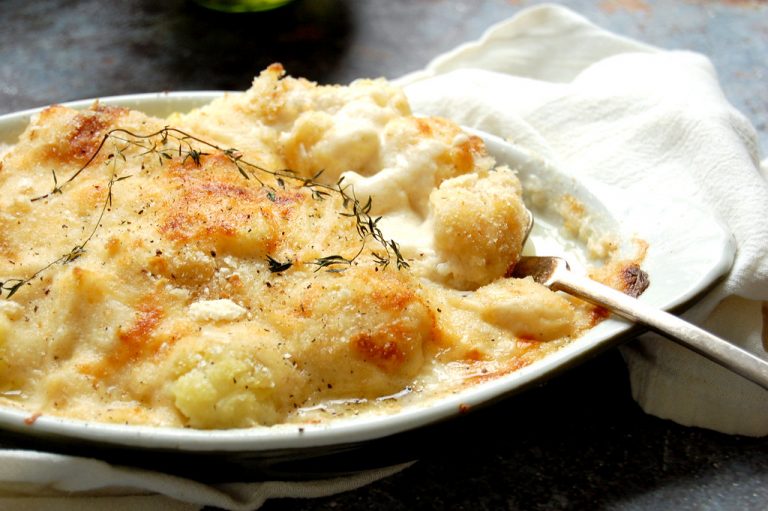
Creamy Baked Cauliflower Gratin
Few things are as satisfying as a creamy baked cauliflower gratin recipe. Get the recipe for this Ina-inspired side.
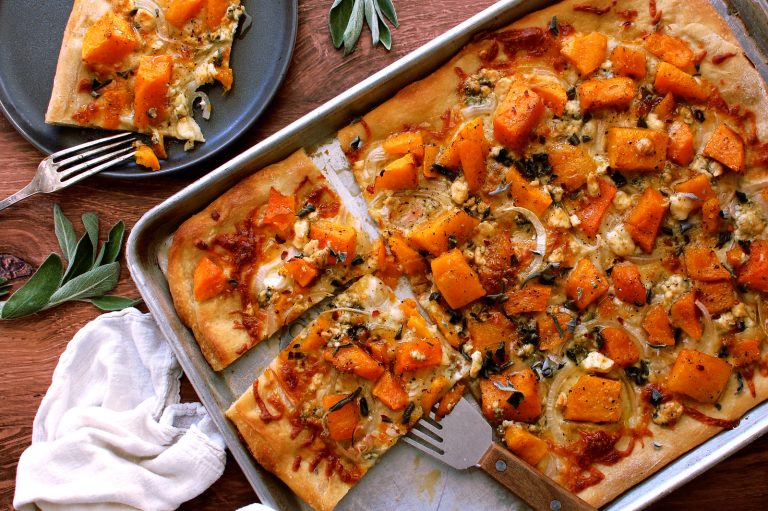
Roasted Butternut Squash Cheese Pizza
This roasted butternut squash pizza recipe makes a chic, easy fall and winter pizza. With sage, blue cheese, and rosemary to enhance seasonal flavor.

Sweet Potato Casserole With Better Marshmallow Topping
Thanksgiving means candied sweet potatoes with marshmallows. Here, ginger and brown sugar help make this a perfect side dish.
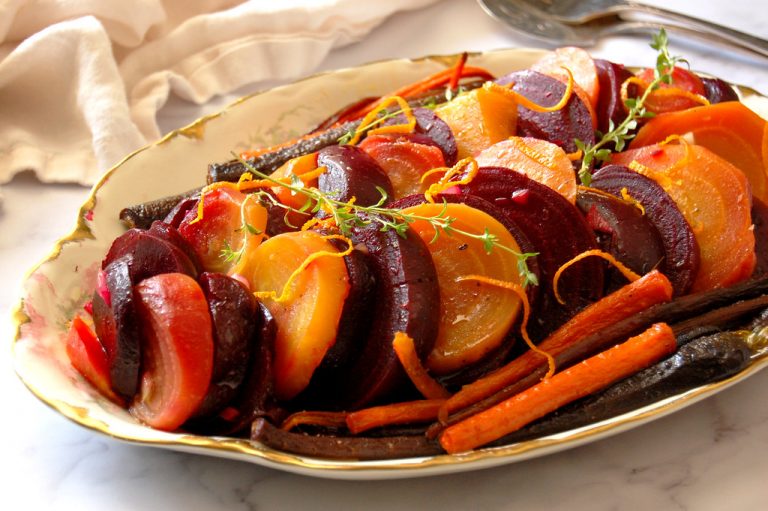
Roasted Beet Salad With Citrus Vinaigrette
A gorgeous, make-ahead roasted beet and citrus salad. A perfect and bright side dish for fall and winter months. Get the recipe.

Oven-Roasted Green Beans
Never steam again.!This is a fabulous recipe for roasted green beans, topped with buttery breadcrumbs toasted with shallot and bright zest.
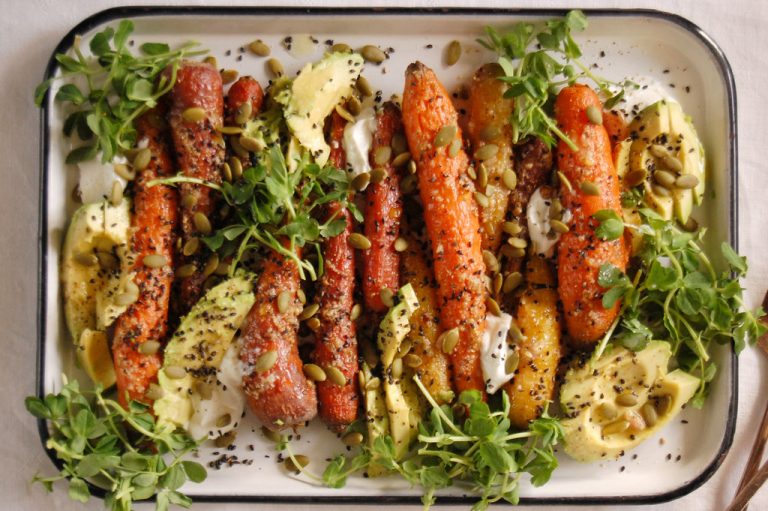
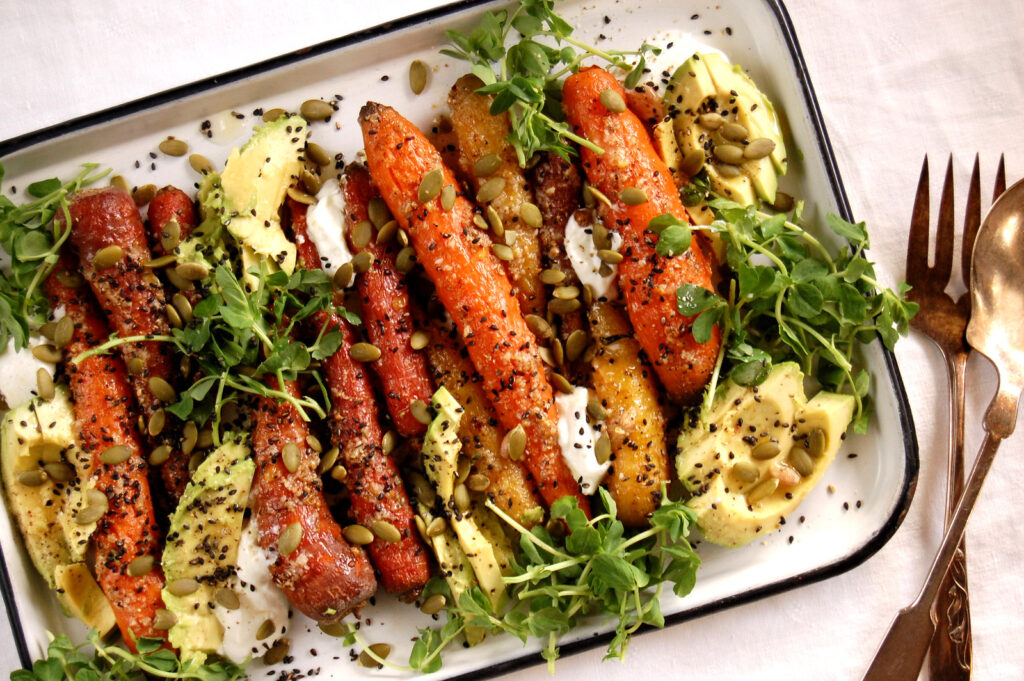
Roasted Carrots With Citrus and Avocado
This beautiful recipe, from a famed NYC restaurant, combines roasted carrots with avocado, sprouts and citrus for bright side.
Spring and Summer Recipes for Roasted Vegetables
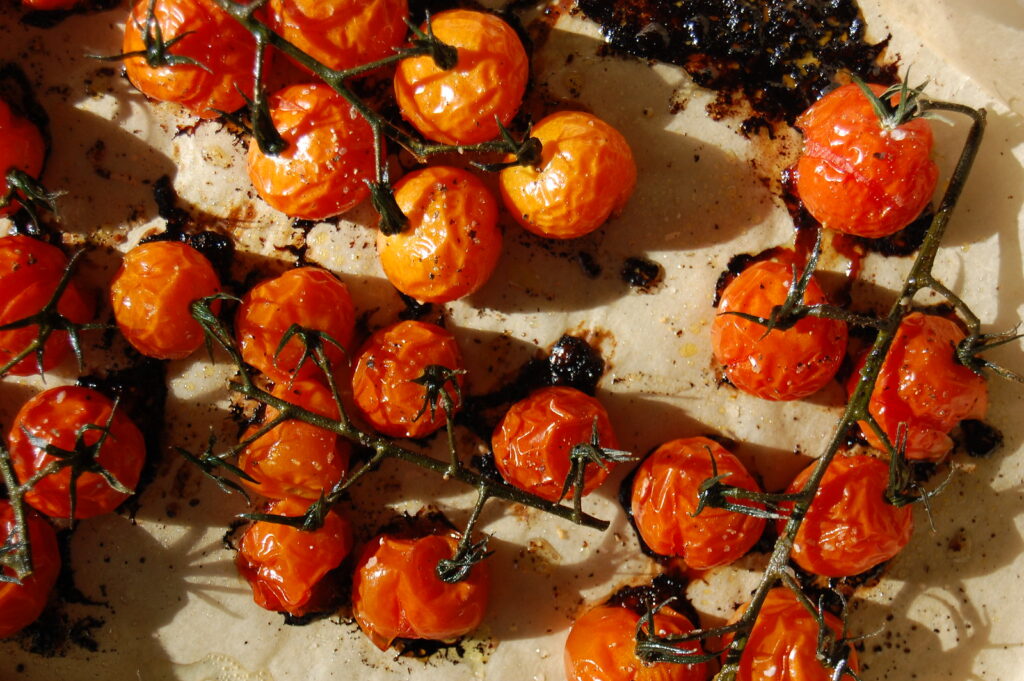
The oven can — and should — be used in warmer weather, too. Warm-weather produce roasts beautifully. Tomatoes become jammy and sweet; zucchini and squash pick up color and depth. These recipes showcase lighter seasonal vegetables while still leaning into the flavor benefits of roasting. Here are the spring and summer roasted vegetable recipes you need.
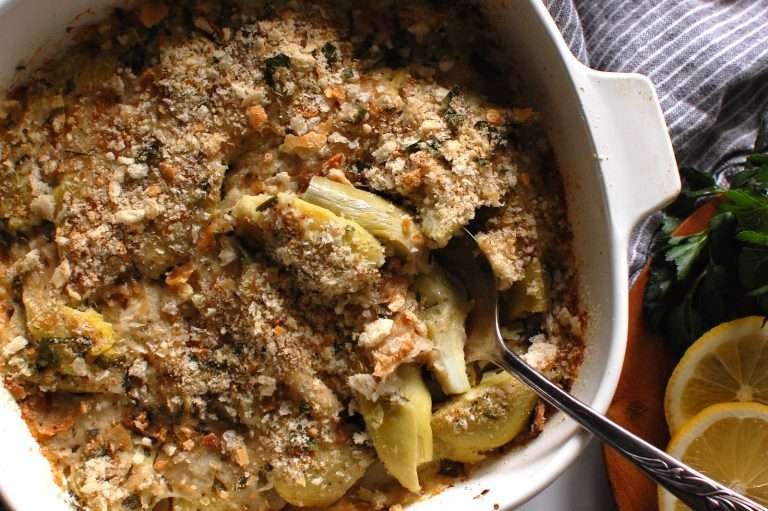
Italian Artichoke Casserole
Simple frozen artichoke hearts, transformed into a fabulous baked Italian artichoke casserole recipe with well-seasoned breadcrumbs and cheese.
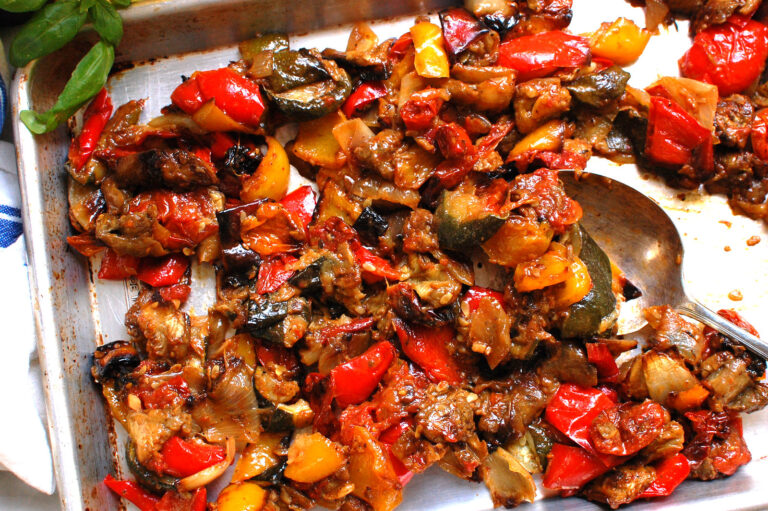
Easy Sheet Pan Ratatouille
A traditional, easy French ratatouille recipe that gets baked on a sheet pan for a simple, late-summer vegetable side.

Zucchini Pizza
This zucchini pizza recipe is a Roman-style white pizza topped with summer squash, cheese and herbs. A seasonal favorite that’s easy to make and perfect for late summer.
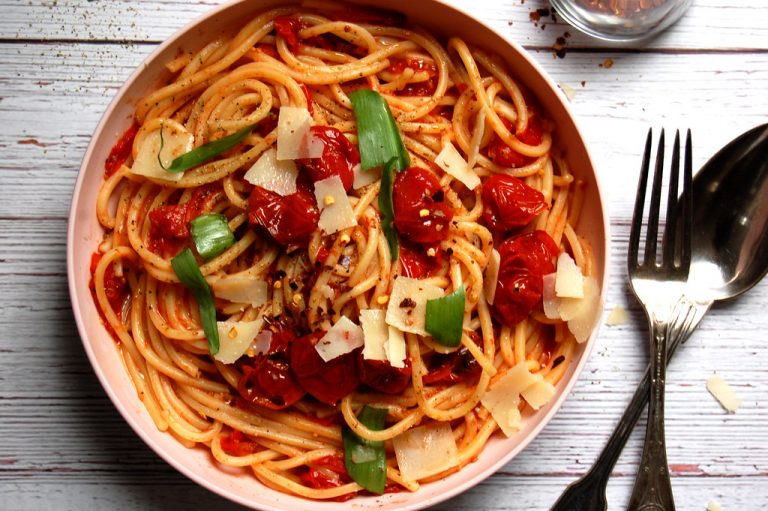
Sheet Pan Pasta Pomodoro Sauce
Fresh pasta pomodoro that’s a breeze to pull off in the oven and tastes amazing. Fresh grape tomatoes get roasted until jammy with onion and olive oil. Add pasta, stir, and serve. Your new favorite pasta.
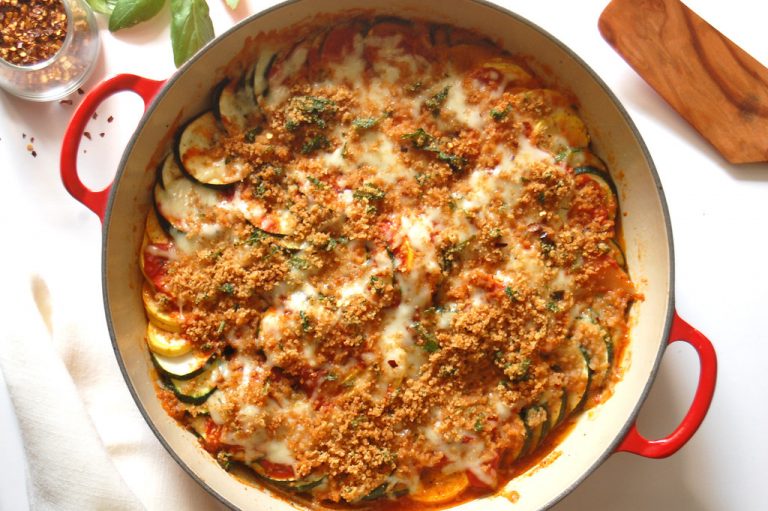
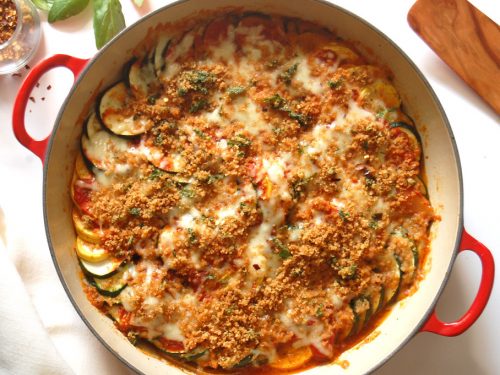
Baked Yellow Squash + Zucchini Parmesan
One of summer’s most satisfying recipes: summer squash layered over marinara and onion, topped with breadcrumbs and mozzarella and roasted for an easy, one-pan dish.
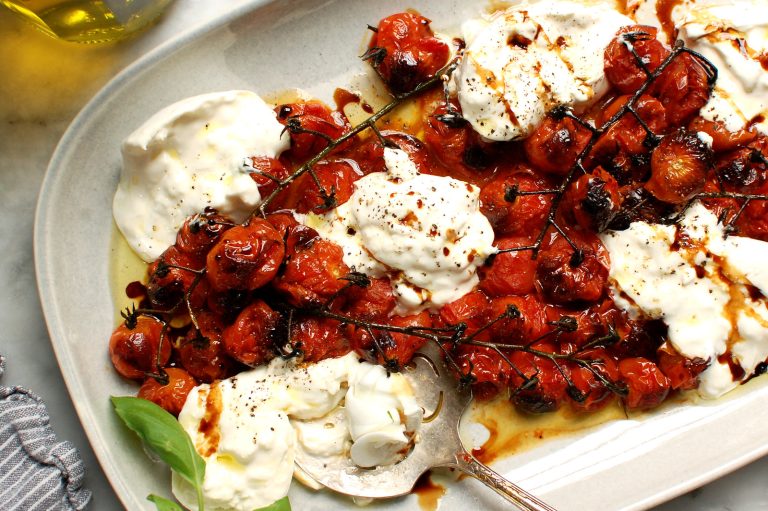
Burrata Caprese With Roasted Tomatoes
A little indulgent and a lot unfussy. Here’s the recipe for burrata with jammy roasted on-the-vine cherry tomatoes. A perfect, chic, effortless appetizer.
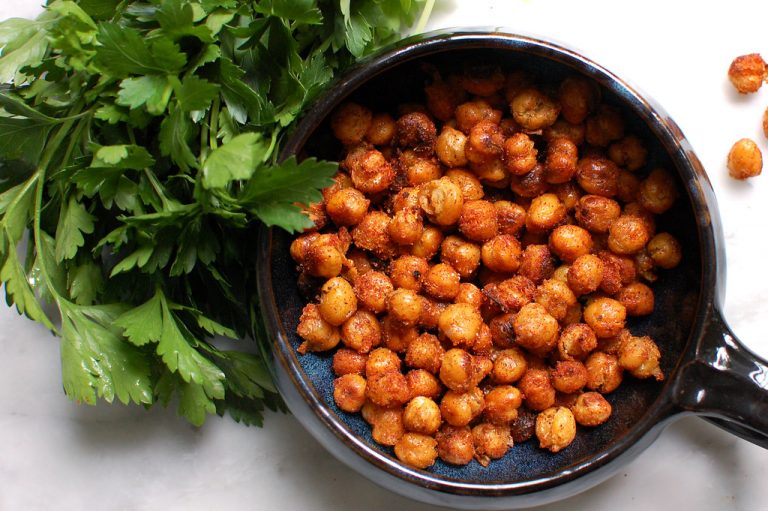
Crispy Pan-Roasted Chickpeas
A recipe for pan-fried chickpeas, a quick dish that requires almost zero effort but has maximum flavor from salt and smoky paprika.
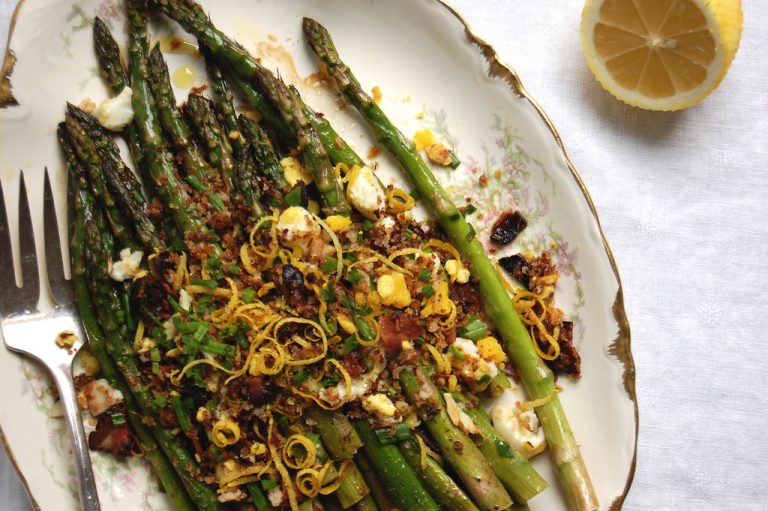
Roasted Asparagus With Good Crumbled Things
Asparagus gets all dressed up in this centerpiece spring dish layered with crumbled bacon, egg, toasted fresh breadcrumbs, plus fresh herbs and a rich splash of aged balsamic syrup. A spring vegetable dish full of texture and flavor.
Vegetable Roasting F.A.Q.s and Tips
Here are some helpful answers to common questions about roasting vegetables.
Almost anything! Root vegetables and hearty vegetables roast well because they hold up to high heat. Popular options include carrots, Brussels sprouts, cauliflower, broccoli, parsnips, sweet potatoes, and winter squash. Softer vegetables like zucchini, tomatoes, or bell peppers roast well but for a shorter time to avoid mushy texture.
For crispiness and caramelized flavor, roast vegetables at 400 to 425°F (200 to 220°C). Denser vegetables like carrots, potatoes, and Brussels sprouts may need closer to 400°F, while softer vegetables like zucchini or asparagus can be roasted at 425°F. If they start too look too brown, lower the temperature or tent with foil.
– Do not overcrowd the pan: Give each piece space for hot air to circulate
– Dry vegetables thoroughly before adding oil
– Use enough oil to coat the vegetables lightly
– High heat roasting ensures moisture evaporates quickly, resulting in caramelization rather than steaming
Yes. Simple roast vegetables can be stored in an airtight container in the fridge for up to 3 to 4 days. To reheat, spread them on a baking sheet and roast at 375 to 400°F for 5 to 10 minutes to restore crispiness.
Have you made any of these roasted vegetable recipes? Share in the comments!
Featured Recipe: Crispy Roasted Brussels Sprouts With Maple
These crispy roasted Brussels sprouts with a sweet and tangy maple vinaigrette are the perfect winter side dish. Roasted to golden perfection, they’re a favorite for weeknight dinners or festive holiday meals. Try this recipe first, then explore the other 15 roasted vegetable recipes in this roundup.

Crispy Roasted Brussels Sprouts with Maple Syrup Glaze
Ingredients
For the Brussels Sprouts
- 2 pounds fresh Brussels sprouts
- 4 tablespoons good olive oil
- 1 teaspoon kosher salt
- 24 turns fresh-cracked black pepper
For the Maple Cider Vinaigrette
- 2 tablespoons pure maple syrup (not pancake syrup)
- 2 tablespoons apple cider vinegar
- 3 tablespoons olive oil
- 1/8 teaspoon kosher salt
- 1 teaspoon whole-grain mustard (optional)
- 3 tablespoons chopped flat-leaf (Italian) parsley
- 3 tablespoons pomegranate seeds (optional)
Instructions
Roast the Brussels Sprouts
- Preheat the oven to 425°F.
- Halve the Brussels sprouts and discard the stumpy ends. PRO TIP: Reserve Brussels sprouts leaves that fall off while slicing the sprouts. They're great and will get very crispy in the oven.
- Toss the Brussels sprouts and leaves with the olive oil, salt and pepper. Spread evenly on a rimmed half-sheet pan and roast for about 20 to 25 minutes, stirring once halfway, or until fork tender inside, and crisp on the outside.
Make the Maple Cider Vinaigrette, Toss, and Serve
- While the Brussels sprouts are roasting, make the vinaigrette by whisking together the maple syrup, vinegar, olive oil, salt, and mustard.PRO TIP: Mustard acts as an emulsifier, but is not necessary. Just be sure to whisk the vinaigrette again before adding to the sprouts.
- Transfer the hot roasted Brussels sprouts to a serving bowl. Toss with the vinaigrette, chopped parsley, and pomegranate seeds, if using. Taste for seasoning.
- Transfer to a serving bowl and garnish with extra parsley or pomegranate seeds. Serve warm.
Notes
Notes for Success (The Crispy Sprout Checklist)
- Preventing Soggy Sprouts: Use high heat (425°F) for a reason. Always ensure your Brussels sprouts are completely dry before tossing with oil and salt. The most common error is overcrowding the pan; use two baking sheets if necessary to give them space, or they will steam instead of crisping.
- Choose a Good Maple Syrup: Use pure maple syrup (Grade A or B). Do not substitute with “pancake syrup” or flavored corn syrups, as these lack the depth of flavor and will not react well with the vinegar in the glaze.
- Make It a Meal: For a satisfying, single-sheet meal, toss the finished sprouts with pre-cooked grains like quinoa or farro, or add 4 slices of chopped, cooked bacon along with the maple vinaigrette.
- Storage: Cooled leftovers can be stored in an airtight container for up to 3 days, but for the best texture, this dish should be enjoyed immediately after tossing in the glaze. Reheating will inevitably soften the sprouts.
Nutrition
Disclaimer: Nutrition information is provided for courtesy purposes only, and is an estimate not verified by medical or nutrition experts. Read the full nutrition disclaimer.
Why You Should Trust This
These recipes were developed and tested from scratch by Lisa Ruland, a Culinary Institute of America graduate and professional food writer and pastry chef. I am committed to providing accurate, trustworthy culinary guidance based on years of hands-on experience in professional and home kitchens. Learn more.






5