
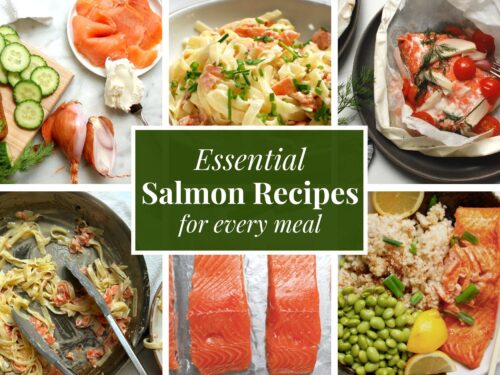
Time to think pink! These are the essential salmon recipes you need, covering everything from quick smoked salmon pasta to elegant special dinners and the perfect bagel spread. Plus: expert tips on how to choose the best salmon, whether smoked or fresh.

Jump To:
At a Glance: Why These Salmon Recipes Made the Cut
There are a lot of salmon recipes out there — I mean, a lot. And for good reason. Salmon is one of the most versatile proteins in the kitchen: nutritious, quick to cook, and at home at every meal from a lazy Sunday bagel spread to an elegant weeknight dinner. These four smoked salmon recipes and three fresh salmon dinner recipes are what I keep coming back. And if you want to go deeper on sourcing, our guide to the difference between farmed and wild salmon is worth a read before you shop.
What to Make With Smoked Salmon

These smoked salmon recipes cover every meal: dinner, lunch, and breakfast. We’re starting with dinner, because the smoked salmon pasta is just that good, and working our way to the perfect salmon bagel spread for weekend mornings.

Smoked Salmon Cream Cheese Spread
Whip up this classic salmon cream cheese recipe in less time than it takes to place your bagel order. All you need is 3 ingredients and 5 minutes.

Creamy Smoked Salmon Pasta
This easy, creamy smoked salmon pasta recipe is an all-time favorite dinner, a 20-minute recipe straight from Italy to your kitchen.

Smoked Salmon Tea Sandwiches
Perfect, authentic tea sandwiches for lunch or afternoon tea, adapted from the Ritz London recipe.

Smoked Salmon Smørrebrød
Fresh cured salmon piled atop cream cheese-smothered artisan bread, garnished with cucumber and dill. An easy, no-cook meal perfect for lunch.
Fresh Salmon Dinner Recipes
Fresh salmon is endlessly weeknight-friendly, and these dinner recipes make the most of it, from a Japanese rice bowl with homemade sushi rice to an elegant en papillote that looks far more impressive than the effort required.

Japanese Salmon Rice Bowls
Salt-broiled salmon, seasoned sushi rice, edamame, and nori make this a nutrient-dense Japanese-inspired bowl that will become a favorite dinner.
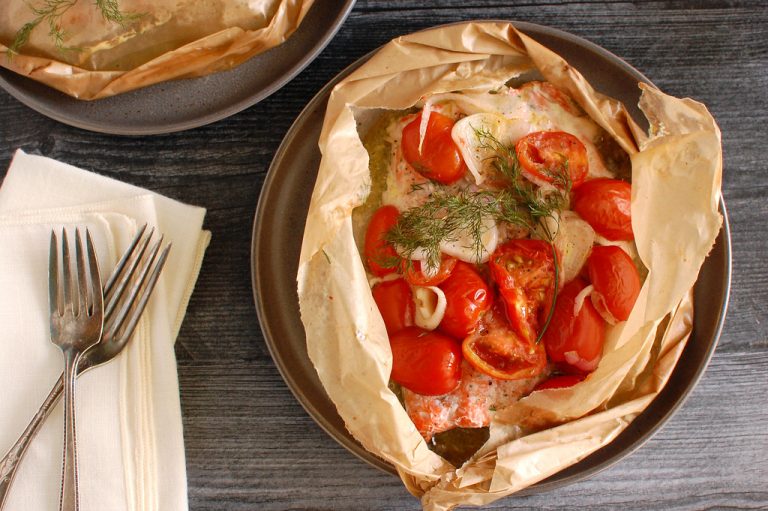
Salmon en Papillote (Salmon in Parchment) With Tomatoes and Dill
Dinner, all wrapped up. Cooking salmon in parchment locks in the flavor and makes a dramatic and fun table presentation: opening the packet right at the table.
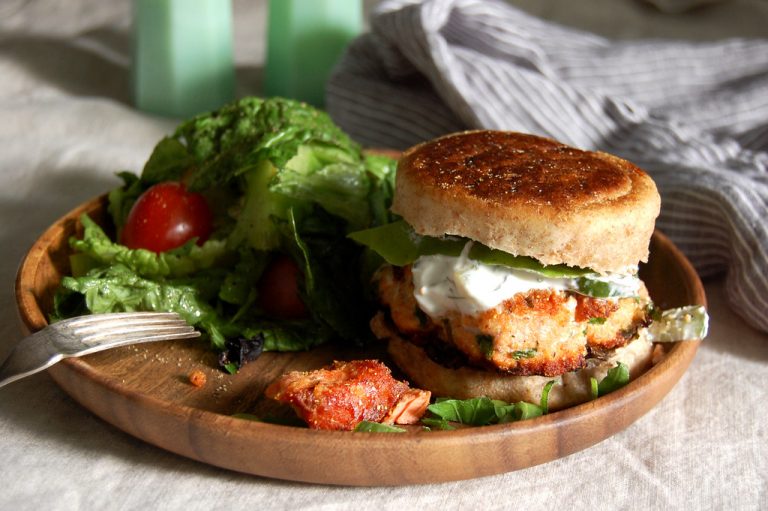
Salmon Burgers With Tzatziki Special Sauce
These salmon burgers are pan-fried until golden and juicy, then topped with a bright, herby tzatziki that cuts right through the richness of the fish. Better than any salmon burger you’ve had.
How to Choose The Best Salmon for These Recipes

I am a stickler for high-quality ingredients. It’s important to get your money’s worth, of course. But better quality ingredients mean better-tasting food. Always choose the best salmon you can find, whether looking for the right smoked salmon, or fresh. Here’s how to choose well. (And check out the FDA guidelines on correct handling and cooking of fish, including salmon.)
How to Choose Smoked Salmon
Not all smoked salmon is the same, and the type you buy will affect both flavor and how well it works in a recipe.
Cold-smoked vs. hot-smoked: This is the most important distinction. Cold-smoked salmon (like lox) is cured and smoked at a low temperature, leaving it silky, translucent, and delicate. This is ideal for bagels, tea sandwiches, smørrebrød, and pasta. Hot-smoked salmon is cooked through. This gives it a flaky, firmer texture and a more pronounced smoky flavor. It’s excellent in salmon burgers or flaked into grain bowls, but it won’t melt into a cream sauce the way cold-smoked does. For the smoked salmon recipes in this roundup, cold-smoked is the default unless otherwise noted. Tip: Browne Trading Co. is a top-quality choice for ordering smoked salmon online, favored by lots of top chefs.
Buying tips: Smoked salmon sold in vacuum-sealed packs keeps well in the refrigerator for up to two weeks unopened. Once open, use it within three to four days. If you’re buying smoked salmon from the fish or deli counter, plan to use it within two days.
How to Choose Fresh Salmon
Fresh salmon is the foundation of the dinner recipes here — the bowls, the en papillote, the burgers — and quality matters.
Know your cuts. A whole fillet from the center of the fish is the most versatile and the easiest to cook evenly. Thinner tail-end pieces cook faster and are more prone to drying out, so account for this if that’s what you have. Salmon steaks are cross-cut, contain more bones, and are harder to portion cleanly for recipes like burgers.
Wild vs. farmed salmon: Wild-caught salmon, particularly Pacific sockeye, tends to be leaner and more strongly flavored, with a richer pink color. Farmed Atlantic smoked salmon is fattier, milder, and more widely available. This is what you’ll find most at the supermarket. Both work well. (See our full breakdown of the difference between farmed and wild salmon for more.) For a special meal, wild king or sockeye will reward the splurge. It’s buttery and rich.
Signs of freshness: Fresh salmon should smell clean and mildly of the ocean, never fishy. The flesh should be firm and spring back when pressed, not leave an indent or look mealy or dry. Look for bright, vivid color (deep orange-red for sockeye, coral-pink for Atlantic) without any brown or gray edges. If buying a whole fillet, the surface should look moist but not slimy.
Frozen is fine. High-quality frozen salmon, especially wild-caught that was frozen at sea, is often fresher than “fresh” fish at a supermarket counter. Thaw it overnight in the refrigerator and pat it dry thoroughly before cooking, since excess moisture will prevent a good sear.
Salmon Cooking F.A.Q.s
The most reliable way is using an instant-read thermometer. For a moist, flaky texture, aim for an internal temperature of 135 degrees F for medium, or the FDA-recommended 145 degrees F if you prefer it well-done. The fish will continue to cook for a few minutes after being removed from the heat due to carry-over heating. Note: serving undercooked fish can be a health risk.
Absolutely. I always do. Even if you don’t plan on eating it, the skin acts as a safety barrier between the delicate flesh and the hot pan, helping to prevent overcooking and keeping the juices locked in. And a nice, crispy salmon skin is absolutely delicious. Just double check to make sure all the scales have been removed.
Yes! Frozen salmon is “flash-frozen” at sea and kept frozen, meaning that the fish is fresher than what you may find at the seafood counter. Just thaw it completely in the refrigerator overnight, and pat it extremely dry with paper towels before cooking to get that perfect sear. I often choose frozen salmon in my own cooking.
That is albumin, a harmless protein that solidifies as the fish cooks. While it’s safe to eat, it’s usually a sign that the salmon is being cooked too fast or at too high a temperature, and may be more pronounced with leaner wild salmon. Cook your salmon “low and slow” to minimize this.

Why You Can Trust This Recipe: These recipes were developed and tested from scratch by me, Lisa Ruland, a Culinary Institute of America graduate (valedictorian), Level 2 WSET-Certified Wine Professional (With Honors), and professional chef and food writer/recipe developer who has worked for some of NYC’s top bakeries, and written for national food publications, including Bon Appétit, Saveur, Food52, and more. In this collection, I’ve applied professional techniques—like the gentle heat used in my Smoked Salmon Pasta—to ensure these recipes are as reliable as they are elegant. I am committed to providing accurate, trustworthy culinary guidance based on years of hands-on experience in professional and home kitchens. Learn more about Lisa’s background and expertise.
Love these salmon recipes? You’ll also love these other favorite seafood recipes:
Which of these recipes have you made? Share in the comments and leave a review!





11