
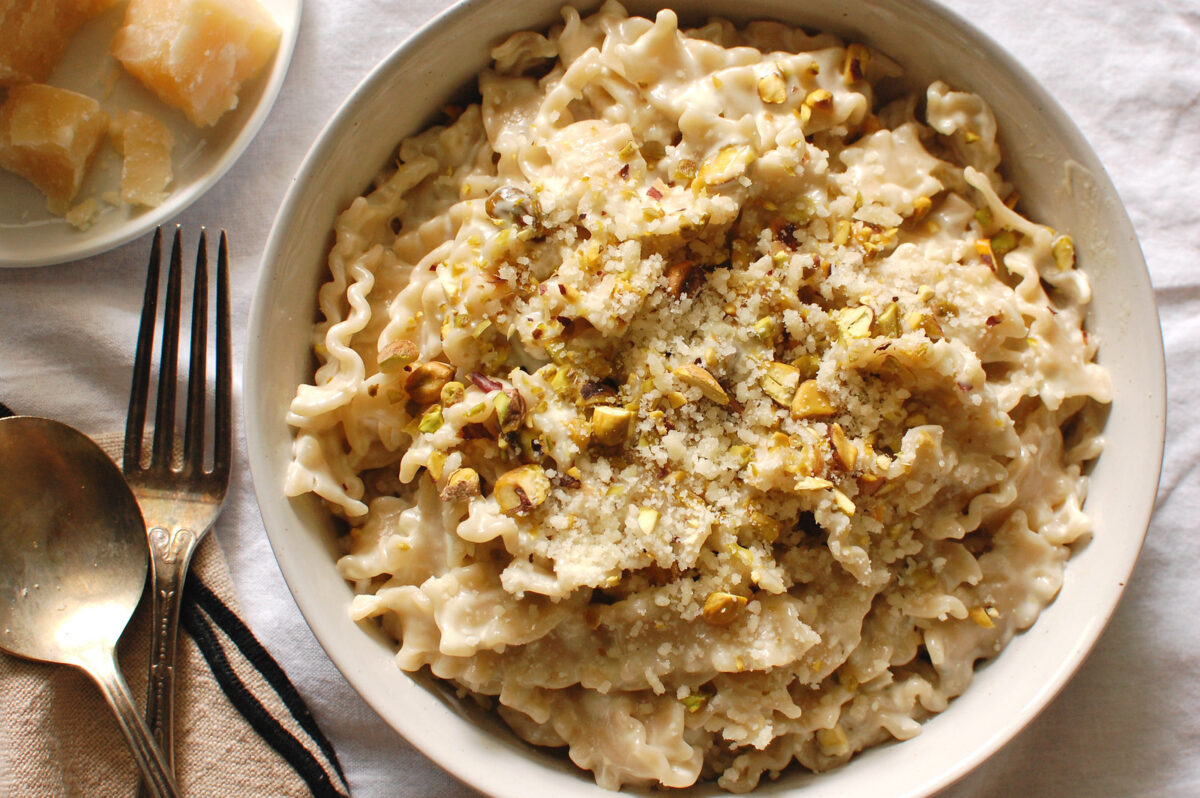
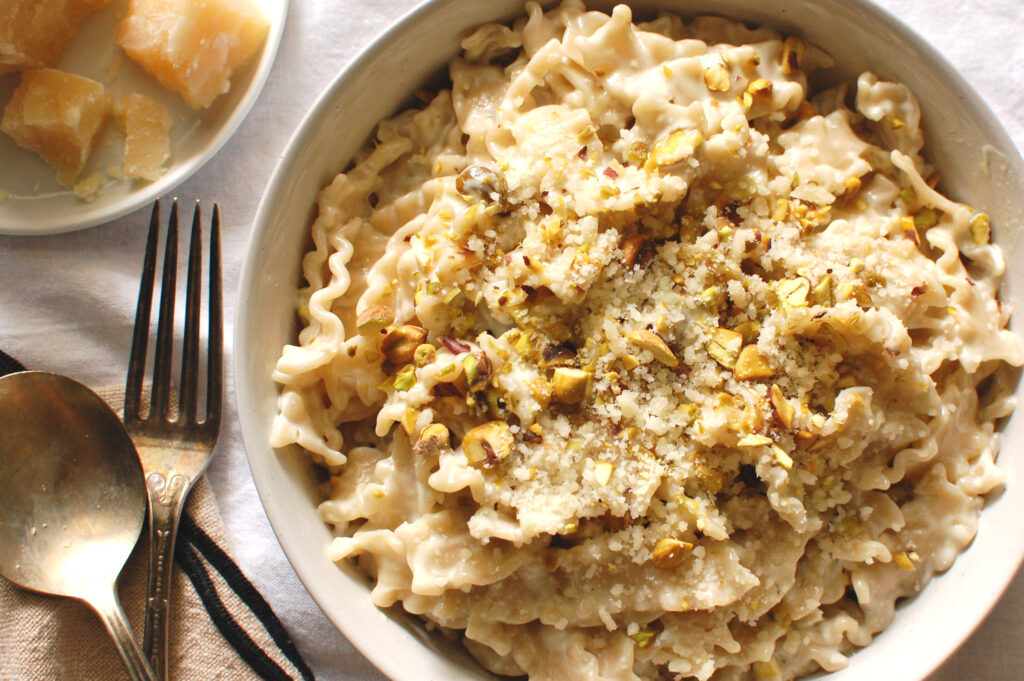
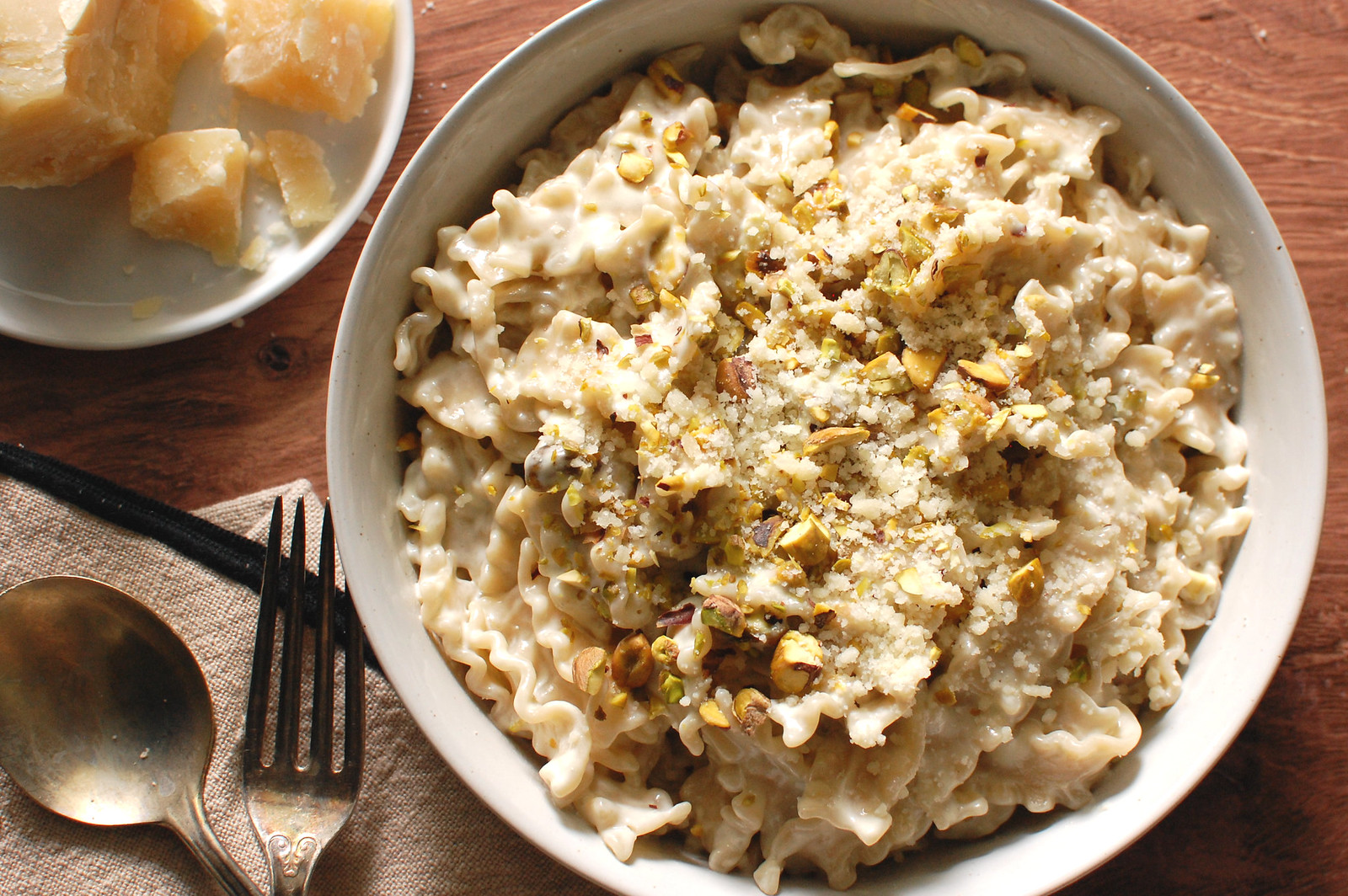
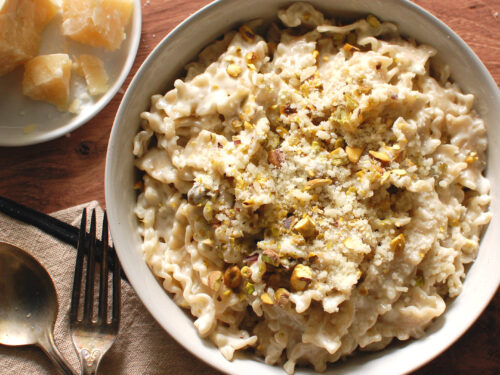
This creamy Italian Gorgonzola pasta recipe is only 5 ingredients and ready in 20 minutes and, making it both simple and sophisticated. Gorgonzola’s mellow tang adds flavor that regular creamy pastas like Alfredo do not; a sprinkle of chopped nuts adds texture and crunch. Adapted from TheSilver Spoon, Italy’s cookbook bible.
Jump To:
Why You’ll Love This Gorgonzola Pasta Recipe
I think of this pasta as a more interesting fettuccine Alfredo. This recipe is the kind of Italian cooking I love most, like the cooking I grew up with as an Italian-American: uncomplicated, straightforward, but still extraordinarily good.
Here’s what’s happening in this dish: Gorgonzola dolce melts into warm cream to form a silky Gorgonzola sauce that coats all the pasta. Along with grated Parmesan, a handful of toasted pistachios or walnuts goes over the top, adding crunch, nutty flavor, and a finished look that make the whole thing “I’d pay $25 for this at a restaurant” worthy (and $30 in New York; everything is more expensive there). But there’s more! The whole dish takes about 20 minutes, start to finish.
This recipe came to my attention the way many recipes do: necessity. It was after the holidays, and I had some random leftover charcuterie board cheese floating around in my fridge. So I did what I always do when my Italian instincts kick in: I pulled out my copy of The Silver Spoon, which is to Italian home cooking what The Joy of Cooking is to American kitchens. And lo: a deceptively simple Gorgonzola pasta recipe I’ve now made many, many times. (By the way, The Silver Spoon is one of the most comprehensive Italian cookbooks ever published, and one of our picks for the best essential cookbooks for home cooks.)
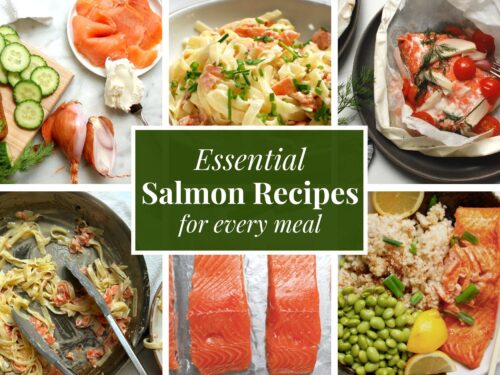
And for more fantastic pasta with cream, definitely get the recipes for pasta with vodka sauce and smoked salmon pasta.
Ingredients You’ll Need for Creamy Gorgonzola Pasta
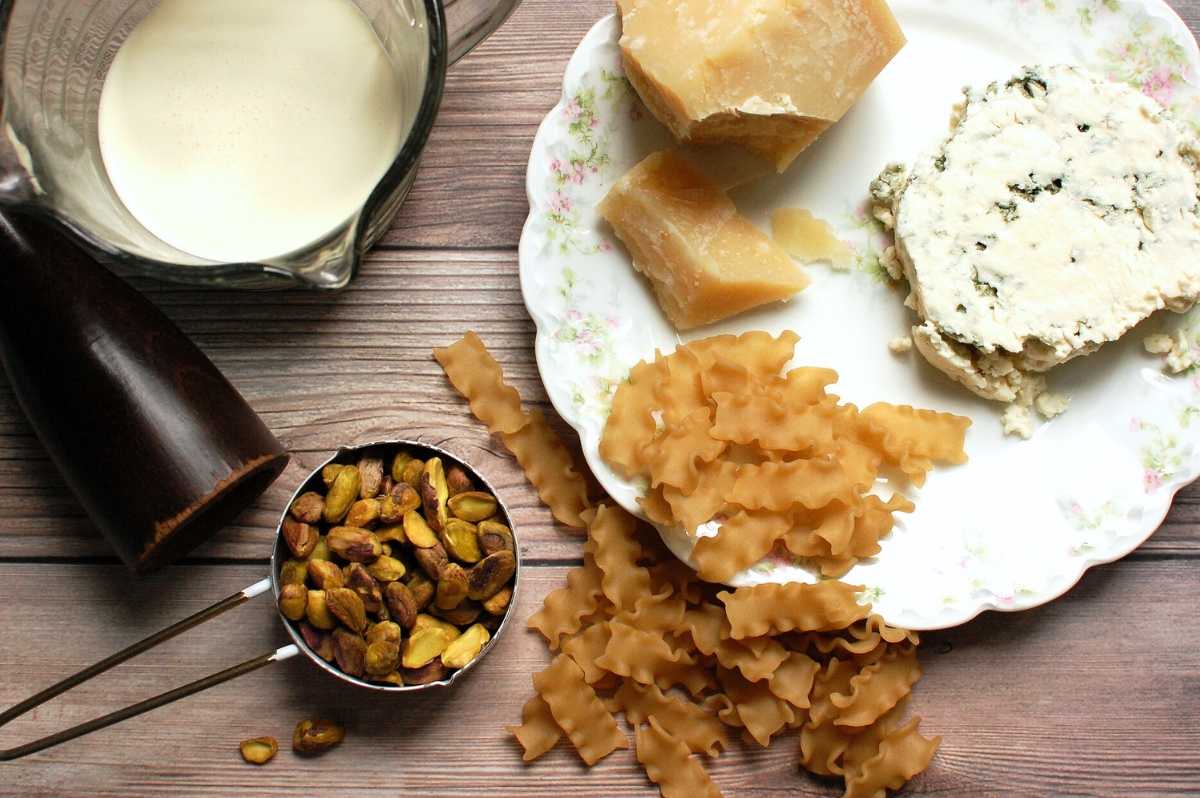
This Gorgonzola pasta sauce ingredient list is short and simple. Choose high-quality Gorgonzola and aged Parmigiano-Reggiano cheese if you can. With so few ingredients, each one counts. Here’s what you’ll need:
- Gorgonzola cheese: Choose mellow Gorgonzola dolce blue cheese over sharper piccante, unless you want a very strong flavor
- Pasta: Rigatoni, penne, or mafaldine are top choices for short pasta. For long pasta, go with something wide, like fettuccine. Use good-quality pasta; De Cecco and Garofalo are my top personal picks.
- Heavy cream: The fat content gives the sauce a great taste and texture, and allows the Gorgonzola to emulsify into a cohesive, glossy sauce. Don’t substitute half-and-half or milk.
- Reserved Pasta Water: This is a key “non-ingredient ingredient.” The starch emulsifies the cream and melted Gorgonzola. Pasta water also helps loosen the sauce if the finished pasta looks dry.
- Parmesan Cheese: for an additional boost of salty, tangy, nutty flavor at the end. Aim for an aged Parmigiano-Reggiano.
- Chopped Pistachios or Walnuts: You could serve the pasta without nuts, but nuts add crunch and texture, and complement the cheese flavors. Pistachios lend subtle sweetness and color; walnuts are earthier and more classically Italian. Either is excellent. Toast them in a dry skillet for 3 to 4 minutes, done.
For more creamy, savory pasta recipes, get the recipe for Smoked Salmon Pasta and Creamy Pumpkin Sauce Pasta With Prosciutto and Sage.
Gorgonzola 101: Dolce vs. Piccante (and Which Type to Use)
Gorgonzola is one of Italy’s great DOP-protected cheeses: a blue-veined cow’s milk cheese from the Lombardy region of Northern Italy. There are two types of Gorgonzola: dolce and piccante. The difference lies in the Gorgonzola aging timeframe. Piccante is aged longer (80 to 270 days), making it sharper and firmer than dolce. Gorgonzola dolce is mild and creamy, due to being aged for a shorter time period (50 to 150 days).
This recipe for pasta with Gorgonzola sauce calls for dolce. It melts and emulsifies with the cream better, and has a balanced flavor. Piccante may taste too robust and is harder to emulsify into the sauce. Helpfully for this recipe, most supermarket Gorgonzolas, unless they say otherwise, are dolce.
Note for vegetarian cooks: Traditional Gorgonzola is made with animal rennet and is technically not vegetarian. Look for a vegetarian-certified label, or substitute with a vegetarian-certified creamy blue cheese.
Substitutions, Additions, and Variations
This recipe is great as is. But you may want to add a little something. Here are some substitutions, plus ideas for added color, vegetables, protein, and texture:
- Want to substitute the Gorgonzola cheese? If Gorgonzola is unavailable, use an alternative blue cheese like a creamy Danish Blue or a mild Roquefort. For a non-blue cheese, goat cheese provides a similar tang.
- Substituting the nuts: If you don’t want nuts, you can swap in toasted breadcrumbs (pangrattato) mixed with a bit of lemon zest for crunch.
- Adding a vegetable: Gorgonzola and spinach make a great combination. Just fold in two cups of baby spinach during the final tossing phase; the residual heat will wilt it without extra cooking. Baby arugula would also work well here.
- Want to add a meat for protein? Sliced, cooked chicken breast or steak pairs beautifully with the bold blue cheese flavor
Gorgonzola is such a delicious cheese to cook with. You should also check out this gourmet Fig and Prosciutto Pizza With Gorgonzola, and Gorgonzola Summer Salad.
How to Make Gorgonzola Pasta, Step by Step
This recipe comes together in about 20 minutes: 1) Toast the nuts, 2) cook the pasta, 3) make the sauce, and 4) combine the pasta and sauce, and 5) top with nuts and grated Parmesan cheese and serve.
Step 1: Toast the Nuts
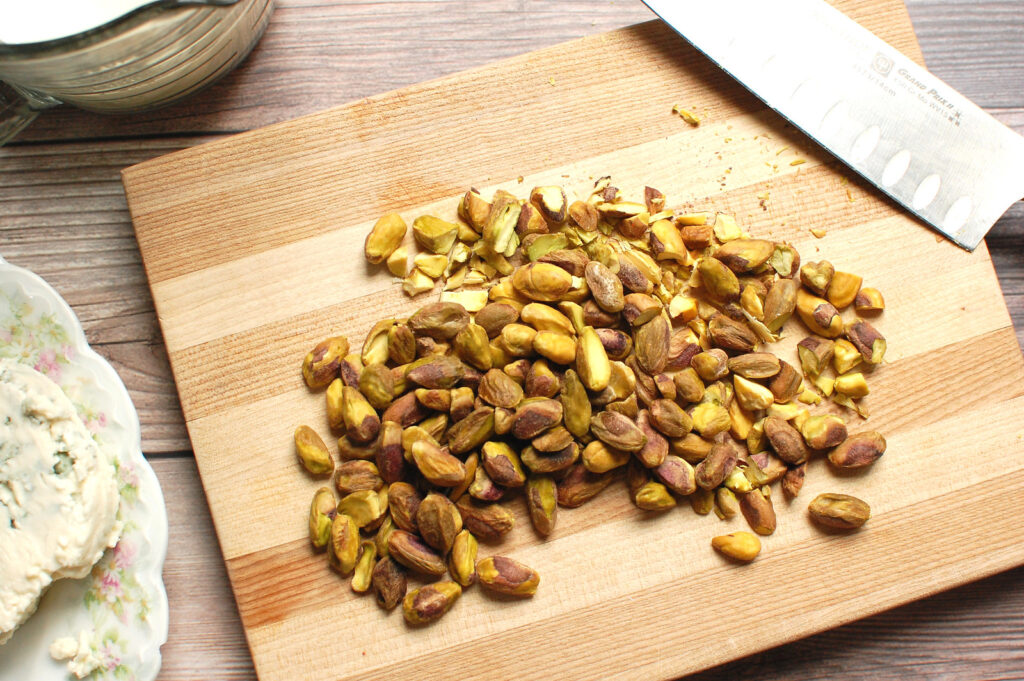
Start by toasting your nuts. This is simple to do: Just place the pistachios or walnuts in a dry skillet over medium heat for 3 to 4 minutes, tossing frequently until fragrant. Set aside. When they cool, give them a chop. You can also do this in a 375 degree F oven for about 10 minutes.
Step 2: Boil the Pasta
Bring a large pot of well-salted water to a boil. Add your pasta and cook until just al dente. Be sure to reserve 1/2 cup of pasta water before draining (the starch will help emulsify the Gorgonzola sauce).
Another traditional, easy, cheesy pasta you’ll love: Marcella Hazan’s Pasta With Pancetta and Peas.
Step 3: Make the Gorgonzola Sauce

In a small pot over low heat, warm 3/4 cup heavy cream until steaming. Add 4 ounces crumbled Gorgonzola, and stir gently until fully melted and smooth.
The sauce consistency should be neither soupy nor dry, but glossy and rich. You’ll know it when you see it. You’re going for a nappé consistency, meaning it is thick enough to coat the back of your spoon; if you run a knife through it, the trail should stay on the spoon.
Pro Tip: Keep the heat low to prevent the sauce from breaking or becoming grainy. Stir constantly, and add a splash of reserved pasta water or cold cream if needed to get a smooth, emulsified sauce.
Step 4: Combine the Pasta and Sauce
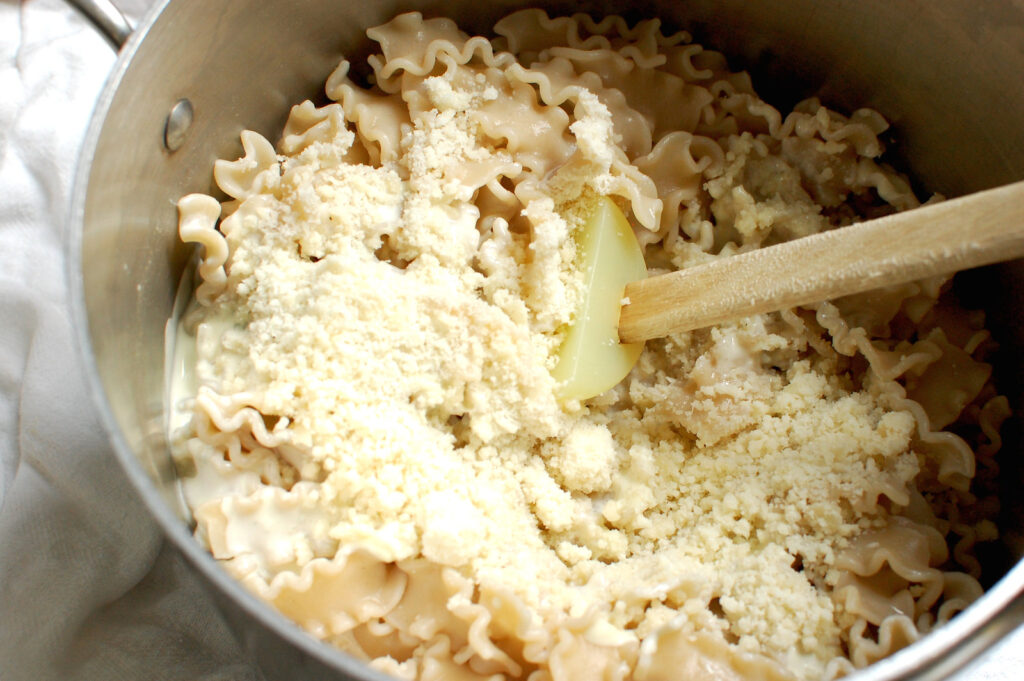
Add the drained pasta back into the pasta pot. Toss gently with the Gorgonzola sauce and most of the Parmesan. Add some reserved pasta water, a tablespoon at a time, to loosen the sauce until you get a glossy, smooth finish.
Season with freshly ground black pepper and taste for salt; Gorgonzola is naturally salty so tread carefully.
Step 5: Finish and Serve
Top each serving with toasted nuts and a generous sprinkle of Parmesan and black pepper. Serve your creamy pasta with Gorgonzola sauce immediately. Wait for applause.
What to Serve with Gorgonzola Pasta
Because Gorgonzola pasta is rich and creamy, a bright, crisp salad is the easiest way to balance the meal. Go for something with acidity and texture to cut through the sauce. In winter, a chicory salad is a good option. For meat, choose a simple roasted dish like chicken or fish. And, of course, a nice crusty loaf of bread on the table never goes wrong. Try any of these:
- A crisp chicory salad like Radicchio Salad With Orange, Apple and Pecans: here is a perfect combination of crunch and acidity. Bitter, crisp radicchio is a perfect complement to the salty cream sauce.
- Roasted chicken: simple flavors that do not compete with the strong Gorgonzola
- Simple baked salmon: salmon and cream go very well together. This papillote recipe would be perfect.
If you love pasta Gorgonzola, for another rich Italian pasta dinner — this time with meat — nothing is more satisfying than this real Italian ragù bianco recipe, a slow-cooked meat sauce that is the ultimate Sunday pasta dinner.
Wine Pairing for Gorgonzola Pasta
Gorgonzola pasta is rich, salty, and creamy, so the best wines are those with bright acidity to cut through the rich sauce and complement the cheese. Skip the big oaky whites and the heavy reds.
White Wine Pairings
- Sauvignon Blanc has a crisp acidity and citrus notes that make it a solid match for blue cheese richness.
- Pinot Grigio is a light, clean, and easy-drinking Italian white and can usually be found at an inexpensive price.
- A dry Soave has more weight, but enough acidity to cut through the richness of the sauce.
- Dry (Brut) sparkling wine: bubbles help cleanse the palate and balance the dish’s weight; a brut Prosecco makes an excellent choice, and keeps things Italian
Red Wine Pairings
- Barbera d’Asti: I think Barbera is so underrated. In addition to being the perfect pizza wine, it’s a great choice for people wanting something on the lighter side.
- Primitivo: This high-acid Italian red wine (known in the U.S. as Zinfandel) can also hold its own against Gorgonzola, thanks to its dark fruit and black pepper notes
- Malbec: Though not Italian, if you want something substantive, Malbec makes a classic Gorgonzola pairing. It has good dark fruits and cocoa notes that will draw out the nuttiness of the cheese.
Storing and Reheating Gorgonzola Pasta
Storage: Store leftovers in an airtight container in the refrigerator for up to 2 days. The sauce will thicken considerably as it sits; this is normal and will loosen when reheated.
Reheating: Gently reheat in a skillet over low heat with a splash of water or a small pour of cream, stirring to bring the sauce back together. Avoid the microwave; the uneven heat can cause the sauce to separate and turn grainy, and microwaves inevitably lead to dry, tough pasta.
Make-ahead: The Gorgonzola cheese sauce can be made up to a day in advance and stored in the refrigerator. Rewarm it slowly over low heat, whisking to re-emulsify, then toss with freshly cooked pasta.
F.A.Q.s and Helpful Tips
Gorgonzola pasta sauce is typically made with Gorgonzola cheese, cream, and black pepper. Some versions (like this) include parmesan and nuts for texture. The key is gentle heat so the cheese melts smoothly without separating.
Yes. Piccante is sharper and firmer than dolce, so crumble it finely and melt over low heat to prevent a grainy sauce. Gorgonzola dolce is mild and creamy. Using cream and pasta water softens the flavor, making the sauce rich rather than overpowering.
Graininess occurs when cheese is added too quickly or over high heat. Melt slowly and use a splash of starchy pasta water to emulsify for a smooth, glossy sauce. If the sauce separates after it’s finished, remove the sauce from heat and whisk in a tablespoon of cold cream to drop the temperature and smooth the texture.
Yes. Store the sauce separately from pasta and reheat gently over medium-low heat with a bit of pasta water to restore creaminess. Stir frequently as you reheat the sauce.
Did you love this recipe? Please leave a comment and a 5-star review! It helps get this recipe known to more people, and the feedback is great.
Gorgonzola Pasta Recipe (Easy & Authentic)
Essential Equipment
- 2 pots large for boiling the pasta, small for cooking the Gorgonzola sauce
- Microplane or box grater to grate the Parmigiano-Reggiano cheese
- Coffee mug This one's an optional chef tip. It's what I use to scoop pasta water; the handle makes it perfect for dipping.
Ingredients
- 12 ounces pasta, such as rigatoni, ziti, or tagliatelle
- 4 ounces Gorgonzola dolce cheese, diced or broken into pieces
- 3/4 cup heavy cream
- 1/2 cup freshly-grated Parmigiano-Reggiano cheese
- 1/2 cup chopped walnuts or pistachios
- Salt and fresh-cracked black pepper
Instructions
- Toast the nuts. There are two methods for this. Both are easy. Method 1: In a dry skillet over medium heat, toast the pistachios or walnuts for 3 to 4 minutes, tossing frequently, until fragrant and lightly golden. Remove from heat and cool. This is faster and easier.Method 2: Preheat the oven to 375°F. Spread the nuts on a single layer in a sheet pan and cook for 5 to 10 minutes, stirring once. Cool.
- Boil the pasta. Bring a large pot of well-salted water to a boil over medium-high heat. Cook the pasta until al dente, stirring occasionally. (Start the Gorgonzola sauce while the pasta cooks; see next step.) Drain the pasta in a colander, reserving about 1/2 cup of pasta water, then pour the pasta back in the pot.
- Make the Gorgonzola sauce: While the pasta is cooking, heat the cream and Gorgonzola cheese to a bare simmer in a small pot, stirring constantly, just until smooth and melted. Taste for seasoning. Remove from the heat.PRO TIP: To prevent the blue cheese from becoming "grainy," keep the cream at a bare simmer. Gorgonzola is a delicate emulsion of fats and proteins; boiling it too hard will cause it to break. If it looks oily, whisk in a tablespoon of cold cream immediately to stabilize it.
- Combine the sauce and pasta: Off the heat, add the Gorgonzola sauce and most of the grated Parmesan to the pasta pot and stir until all the pasta is coated in Gorgonzola sauce. If the sauce looks a little thick or the pasta looks dry, loosen with a tablespoon or two of pasta water as needed.
- Finish and serve: Divide the pasta into bowls. Sprinkle generously with the remaining Parmesan, and top with the toasted nuts and a few twists of fresh-ground black pepper.
Notes
Nutrition
Disclaimer: Nutrition information is provided for courtesy purposes only, and is an estimate not verified by medical or nutrition experts. Read the full nutrition disclaimer.
Why You Can Trust This Recipe: These recipes were developed and tested by Lisa Ruland, a Culinary Institute of America graduate (valedictorian), Level 2 WSET-Certified Wine Professional (With Honors), and professional chef and food writer/recipe developer who has written for national food publications including Bon Appétit, Saveur, Taste, Eater, Food52, and more. An Italian-American with decades of Italian cooking and food experience (including within Italy), Lisa is committed to providing accurate, trustworthy culinary guidance based on years of experience in professional and home kitchens. Learn more about Lisa’s background and expertise.





8 comments
Mel
It was especially cold this past week here in New England so I made this, and we both loved it. No issues with the cheese sauce at all. Had some leftovers as well.
dancemom
Saw the reviews and decided to try this for dinner because I actually had extra blue cheese from a cheese plate I made for a dinner party this weekend. Yum! Kept the heat on low and the sauce came together with no problem.
FastWalker76
I haven’t had this since a small restaurant in Milan years ago, so I was excited to see this. Tasted wonderful.
Lisa Ruland
How nice! Thank you for writing this. I would love to go to Milan and sample this dish–one more reason for me to go back to Italy!
Gregory
I made this for dinner last night, including nuts (the texture adds a lot) and it’s a 10/10. Used rigatoni.
S.H.
Took a chance on this one because I don’t usually cook with blue cheese, and I am so glad I did! It tasted delicious. Thanks for this recipe. I did not add any nuts and it was still great,
Joannah
This is next level. I never thought to use blue cheese in pasta, but this is so good. Thank you–cannot be easier!
Lisa Ruland
I hope you love this simple, authentic Italian recipe for the ultimate creamy pasta. Let me know what you think in the comments, and leave a rating!