
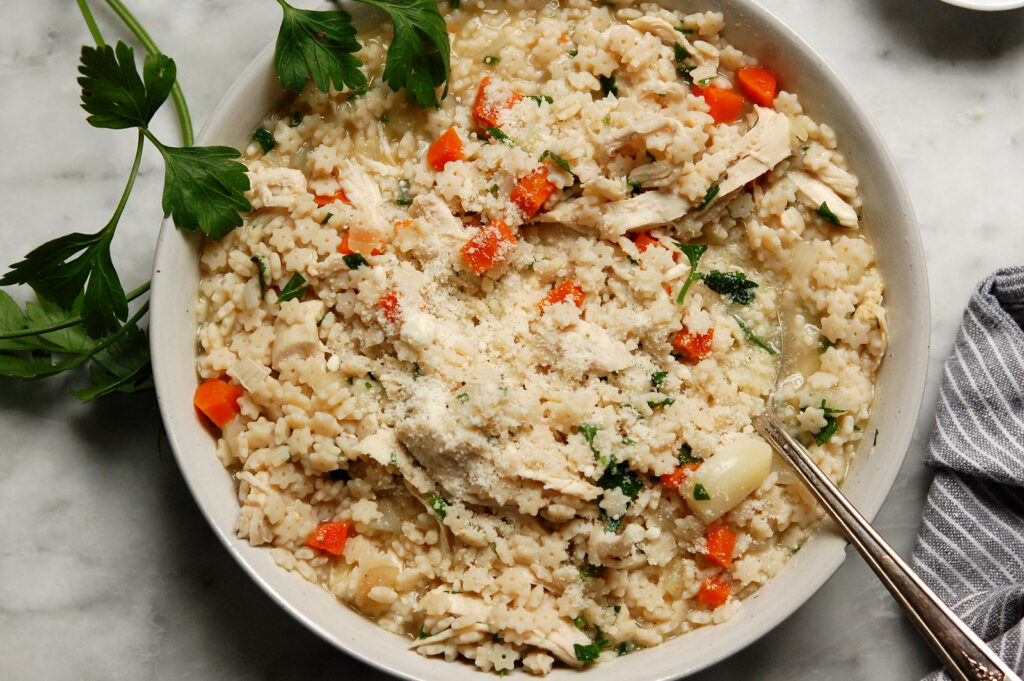
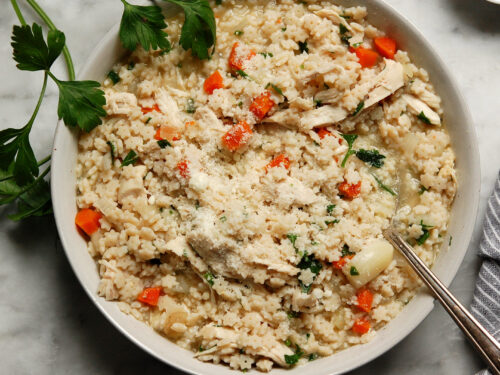
Pastina soup is called “Italian penicillin” for a reason. The comforting combination of tiny star pasta (stelline), broth, and a little butter and cheese makes one of the most simple and warming bowls of soup ever. This recipe adds a little bit of chicken and vegetables for extra nourishment. Bonus: full video recipe.
What Is Italian Penicillin (Italian Pastina Soup)?
Jump To:
Italian penicillin is an easy, comforting, warming bowl of pastina or stelline pasta (little stars) cooked with broth or water, and finished with a little butter and grated cheese. It’s been a traditional Italian soup for sick days for generations, and also makes a simple comfort food dinner. You can also add a little chicken or vegetables if you like.
My recipes for Creamy Parmesan Farro and Soft Parmesan Polenta are two other comforting, buttery Italian bowls you should definitely bookmark.)
Growing up, there were exactly two good things about being sick: 1) a day off from school, and 2) the warm bowls of pastina my mom made for me. Pastina — we pronounced it “pastine,” in the Southern Italian style passed down from my grandmother — was so simple, but so good, and a definite shortcut to feeling better. That’s why it’s been nicknamed “Italian penicillin.”
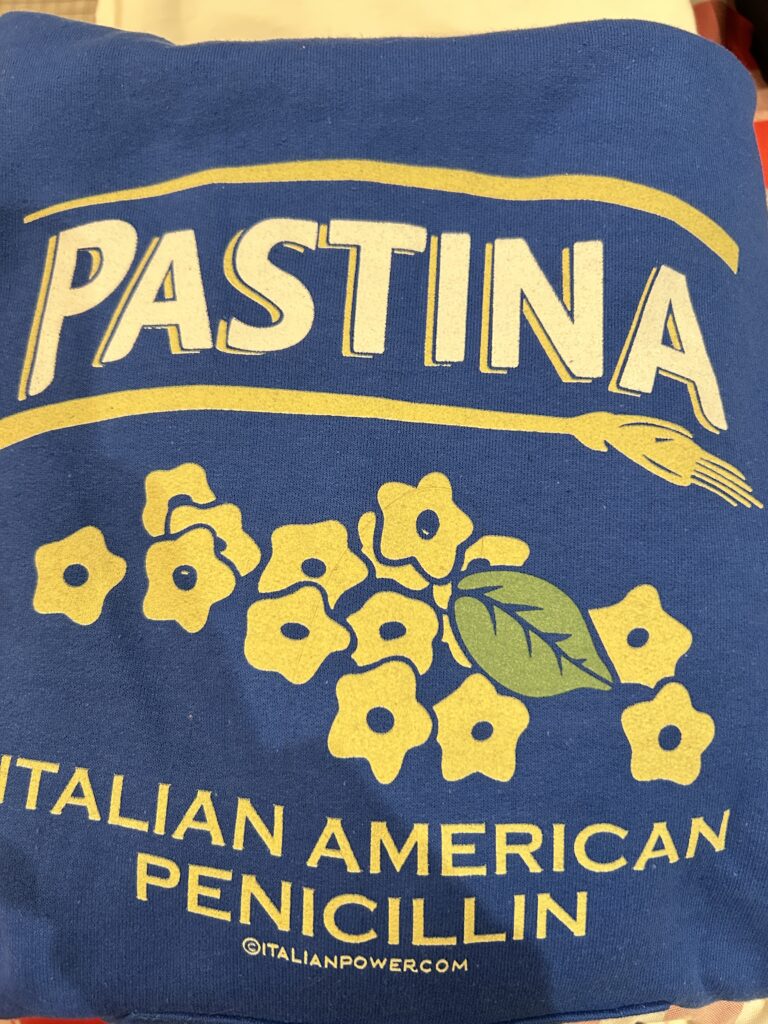
So popular and beloved that they even sell T-shirts honoring it in New York City’s Little Italy (and presumably elsewhere?), generations of Italian parents, children, and sick people aren’t wrong. This simple, brothy pasta, rounded out with butter, cheese, and a little chicken and vegetables if you’d like, is ready in less than 30 minutes and cures what ails you.
Want some more favorite Italian-American dishes? You’ll love this easy Baked Ziti recipe, and my 20-Minute Marinara is a staple. For something on the sweeter side, these soft Italian Ricotta Cookies are essential.
What Are the Ingredients for Traditional Italian Pastina Soup?
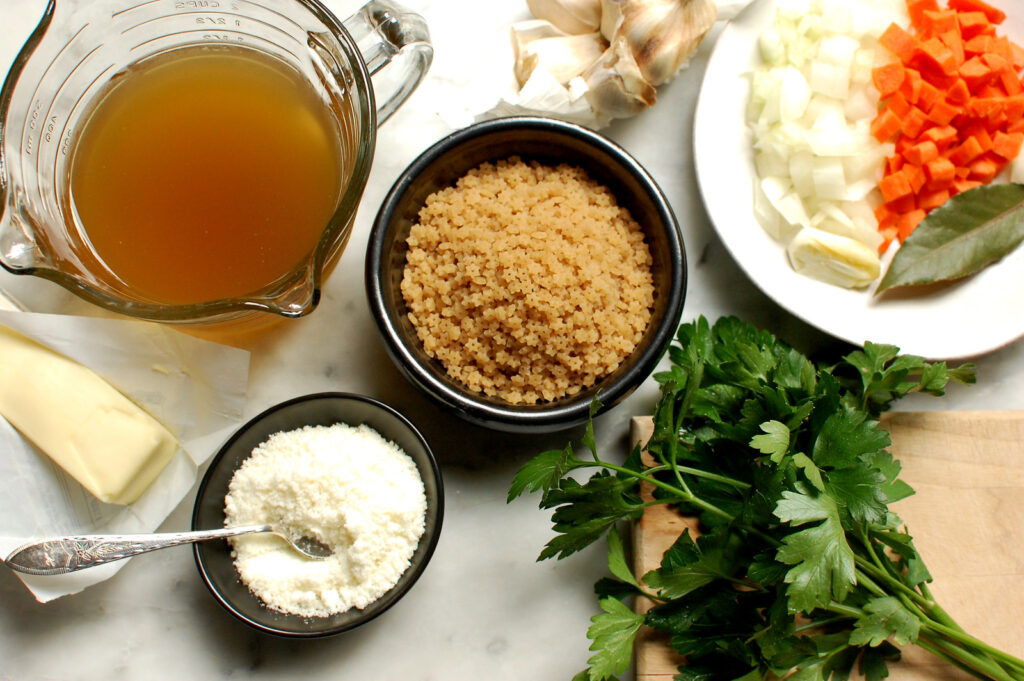
Traditional Italian penicillin is a simple combination of chicken broth, pastina (little star pasta, called stelline), butter, and maybe a sprinkle of grated cheese. But I like to give it a boost with some shredded chicken breast, carrot, celery, onion, garlic, a bay leaf, and parsley. All of that is optional. It’s meant to be very simple.
Exact quantities are in the recipe card below, but you will need:
- Unsalted chicken stock or broth
- 1 chicken breast
- Vegetables: Small-diced carrot, celery, onion, plus a bay leaf, parsley and garlic
- 1 cup pastina (stelline) pasta. Acini di pepe (tiny pasta balls) makes the best alternative.
- Butter
- Salt, pepper, and grated pecorino-Romano cheese to season and flavor the pastina. (Note: Many recipes call for adding a few Parmesan rinds to the broth as it simmers, but I always think, “Who actually has those sitting around for a sick day?” Grated cheese works just as well for flavor.)
Variations
The chicken: If you don’t want to use a raw chicken breast, you can add some diced or pulled leftover cooked chicken at the end and warm it through, or leave it out entirely. Just skip to step 2 in the directions, below.
Extra flavor and zing: A little dash of hot red pepper flakes is great with this — and may help open your sinuses a bit if you have a bad cold! A spritz of fresh lemon juice is a nice, bright counterpoint to all the savory notes, and adds a bit of vitamin C for those fighting a cold.
The grated cheese: If you don’t have pecorino-Romano, Grana Padano makes the best substitute. I find Parmesan a bit strong, but you can use that if you’d like.
For more comforting Italian pastas, get the recipes for authentic Ragù Bianco and easy, creamy Smoked Salmon Pasta.
How to Make Italian Pastina Soup, Step by Step
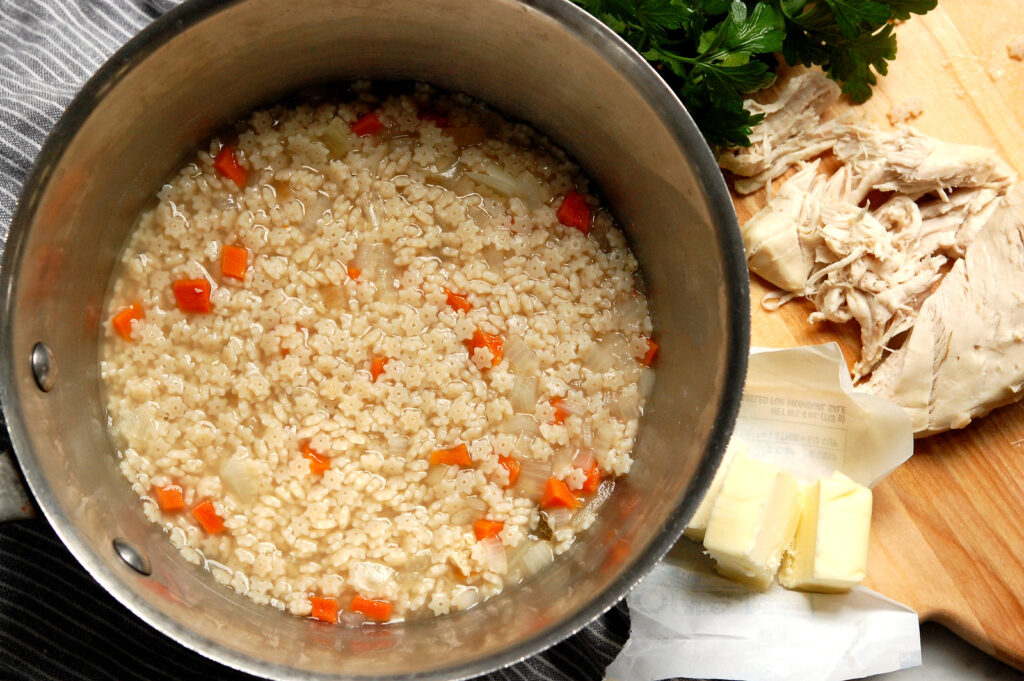
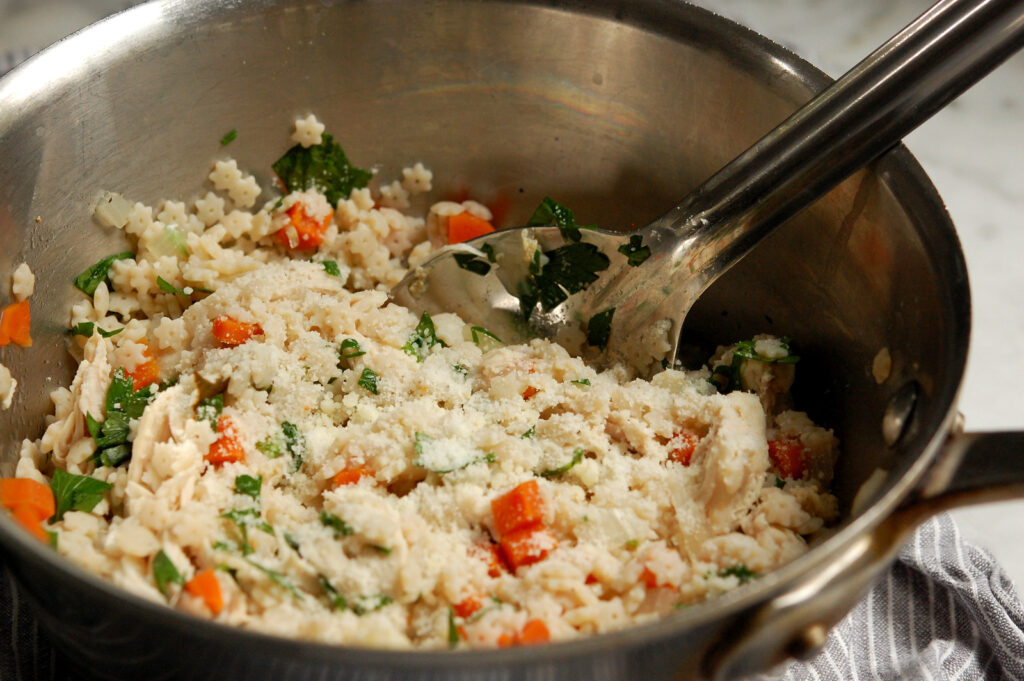
This is a simple soup to make. I prefer it to be thick with pasta instead of brothy, but you can thin it with extra broth or water as you’d like.
- Simmer the broth. Bring the broth to a simmer. Add the chicken breast and simmer until it’s about halfway cooked, about 12 minutes. Note: If you’re not using chicken, just bring the broth to a simmer and go right to the next step.
- Add the pastina and vegetables. Add all the vegetables, pastina, salt, and a few twists of pepper and cook (stir it up occasionally) for an additional 8 or 9 minutes, until the pasta is cooked and the vegetables are soft.
- Stir in the final ingredients. Take the pot off the heat. Remove the chicken breast and pull or dice it into small pieces. Return it to the pot and add the butter, parsley, and grated cheese. Taste for seasoning. If you’d like it soupier, add a little more broth or water and warm through.
- Serve. Ladle into bowls and top generously with grated cheese.
How to Serve
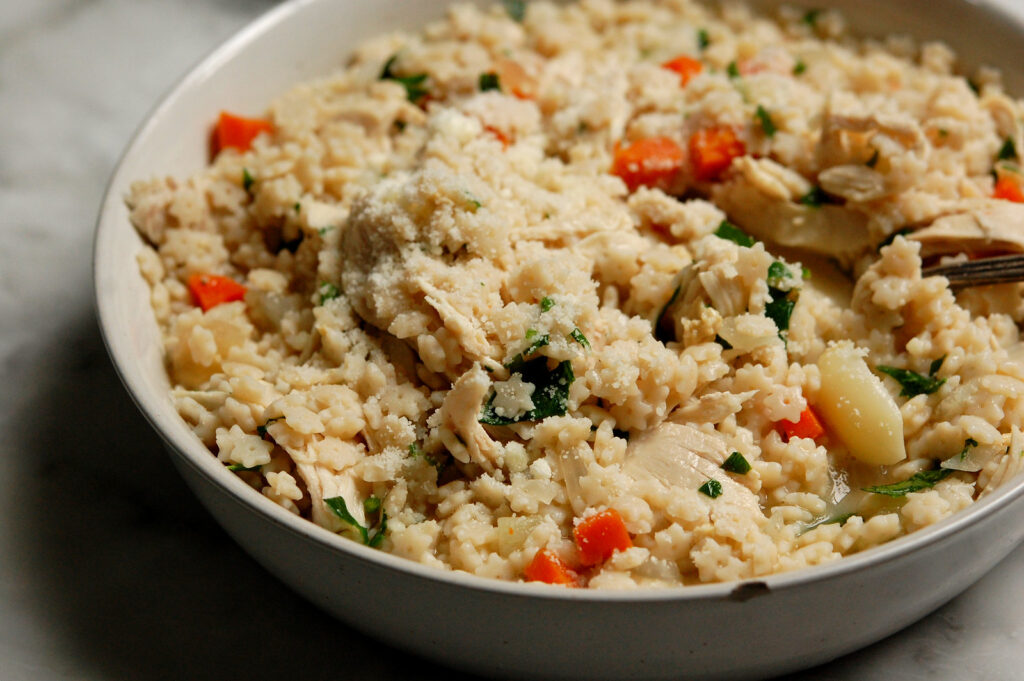
Serve this warm from the pot, topped with a little grated cheese and maybe a little sprig of parsley.
F.A.Q.s and Helpful Tips
How Long Will My Pot of Italian Penicillin Keep Fresh?
To be honest, this will almost certainly be fully devoured before you get a chance to store it very long, but your pastina soup will keep in the refrigerator, stored in an airtight container, for up to two days. Note that the pasta will continue to absorb the broth and get softer as it sits, so you may need to add more liquid when reheating and accept that this will no longer be al dente.
Freezing and Reheating
Reheat over medium-low heat in a pot, adding enough extra water or liquid to loosen the texture back to a thick, brothy soup.
I would not recommend freezing this. The pasta is too small and delicate to withstand the molecular changes of freezing and thawing. If you just want a small amount, this recipe is easily halved.
Have you ever made or eaten pastina soup? How do you make yours? Share in the comments below!
Video Recipe: How to Make Pastina Soup (Italian Penicillin)
Watch the full video recipe on how to make this authentic Italian comfort dish.
Italian Penicillin (Authentic Pastina Soup)
Essential Equipment
- 1 Medium sauce pot
Ingredients
- 3 cups (24 ounces) unsalted chicken stock or broth, plus more to make it more soupy if you'd like
- 1 chicken breast
- 1 cup (about 6 ounces) pastina (stelline pasta) Acini di pepe is the best alternative
- 1 carrot, peeled and diced small
- 1 stalk celery, diced small
- 1/2 onion, peeled and diced small
- 1 clove garlic, peeled and smashed
- 1 bay leaf
- 2 teaspoons kosher salt, and more to taste I use Diamond Crystal; dial back if using Morton's or table salt
- 12 turns fresh-cracked black pepper
- 2 tablespoons butter
- 2 tablespoons minced parsley Optional, but it adds nice color
- 2 tablespoons grated pecorino-Romano cheese, plus more to garnish Parmesan can be used, but changes the flavor
Instructions
- Simmer the broth. In a medium sauce pot, bring the broth to a simmer over medium-high heat. Add the chicken breast. Lower the heat to medium and simmer until the chicken is halfway cooked, about 12 minutes. The chicken should be fully submerged. Note: A simmer means that there should be small, active bubbles. This is the step before boiling, which will make the chicken tough. If you're not using chicken, or already have cooked chicken, just bring the broth to a simmer and go right to the next step.
- Add the pastina and vegetables. Add the pastina, carrot, celery, onion, garlic, bay leaf, salt, and pepper. Cook at a low boil, stirring occasionally, for a 8 or 9 minutes, until the pasta is fully cooked, the vegetables are soft, and the chicken breast is done.
- Stir in the final ingredients. Removed from heat. Discard the bay leaf and garlic clove. Take out the chicken breast. Use a cutting board, knife, and fork to pull or dice the meat into small pieces. Add the pulled/diced chicken to the pot. Stir in the butter, parsley, and grated cheese. Taste for seasoning. If you'd like it soupier, add a little more broth or water and warm through.
- Serve. Ladle into bowls and top with extra grated cheese before serving.
Notes
Ingredient Variations
The chicken: If you don’t want to use a raw chicken breast, you can add some diced or pulled leftover cooked chicken at the end and warm it through, or leave it out entirely. Just skip to step 2 in the directions, below. Extra flavor and zing: A little dash of hot red pepper flakes is great with this — and may help open your sinuses a bit if you have a bad cold! A spritz of fresh lemon juice is a nice, bright counterpoint to all the savory notes, and adds a bit of vitamin C for those fighting a cold. The grated cheese: If you don’t have pecorino-Romano, Grana Padano makes the best substitute. I find Parmesan a bit strong, but you can use that if you’d like.How Long Will This Keep?
To be honest, this will almost certainly be fully devoured before you get a chance to store it very long, but your pastina soup will keep in the refrigerator, stored in an airtight container, for up to two days. Note that the pasta will continue to absorb the broth and get softer as it sits, so you may need to add more liquid when reheating and accept that this will no longer be al dente.Freezing and Reheating
Reheat over medium-low heat in a pot, adding enough extra water or liquid to loosen the texture back to a thick, brothy soup. I would not recommend freezing this. The pasta is too small and delicate to withstand the molecular changes of freezing and thawing. If you just want a small amount, this recipe is easily halved.Nutrition
Disclaimer: Nutrition information is provided for courtesy purposes only, and is an estimate not verified by medical or nutrition experts. Read the full nutrition disclaimer.





3 comments
Nonna P.
Making this has been a sick day tradition in my family for decades!! This recipe looks just as it should, and I can’t wait to try it. I agree that acini di pepe is the best alternative. Orzo gets too mushy.
Lisa Ruland
Thank you and I am so glad that you are part of the pastina tradition! It’s truly the best!
Lisa Ruland
I hope you love this traditional and warming dish as much as I always have. Guaranteed to cure what ails you!